
Sudden arch pain can feel alarming—especially when it appears without warning. One day your feet feel fine, and the next, you notice sharp discomfort or soreness along the arch while walking or standing. This type of pain is often linked to arch inflammation, ligament strain, or changes in how your foot is handling daily stress.
While the pain may seem sudden, the underlying causes usually develop gradually. Understanding these causes can help you respond early and prevent the issue from becoming long-term.
Why Arch Pain Can Appear Suddenly
Even though the discomfort feels immediate, sudden arch pain is often the result of accumulated stress on the foot’s structures.
Over time:
- Small amounts of strain build up in the ligaments
- The arch becomes less able to handle pressure efficiently
- A triggering activity causes the pain to surface all at once
This is why the pain may seem to appear “out of nowhere,” even though the foot has been under stress for days or weeks.
Arch Inflammation and Tissue Irritation
Inflammation is one of the most common causes of sudden arch pain. When the tissues in the arch—especially the plantar fascia—become irritated, they can become sensitive and painful.
This can happen due to:
- Increased walking or standing time
- Wearing unsupportive footwear
- Repetitive stress without proper recovery
Inflammation makes the arch more reactive, so even normal movement can feel uncomfortable.
Ligament Strain and Overstretching
The ligaments in your foot help maintain the shape and stability of the arch. When these ligaments are overstretched or overworked, they can become strained.
Ligament strain can lead to:
- Sharp or localized pain in the arch
- A feeling of weakness or instability
- Increased discomfort during weight-bearing activities
This strain often develops gradually but can become noticeable very quickly.
Sudden Increase in Activity Levels
One of the most common triggers for sudden arch pain is a change in activity. If you’ve recently been more active than usual, your feet may not have had time to adapt.
Examples include:
- Longer walking distances
- Running errands for extended periods
- Standing more than usual throughout the day
You can explore how this type of activity affects your feet in Why Your Feet Hurt More After Long Errands, where repetitive stress and daily fatigue are explained in detail.
Footwear That Lacks Proper Support
Shoes or sandals without adequate support can place extra strain on the arch. Flat soles or worn-out footwear fail to distribute pressure properly.
This can result in:
- Increased arch collapse under pressure
- Greater strain on ligaments and fascia
- Faster onset of pain and fatigue
Switching to more supportive footwear can make a significant difference in reducing stress on the arch.
Muscle Fatigue and Reduced Stability
Your foot muscles play an important role in supporting the arch. When these muscles become fatigued, they are less able to maintain proper structure.
This leads to:
- Reduced arch stability
- Increased reliance on ligaments for support
- Higher risk of strain and discomfort
Muscle fatigue is especially common after long days on your feet.
Tightness in the Plantar Fascia
The plantar fascia runs along the bottom of your foot and supports the arch. When it becomes tight, it can pull on the arch and cause pain.
Tightness may be caused by:
- Lack of stretching
- Repetitive use without recovery
- Prolonged standing or walking
This tension can make the arch feel sore, especially during movement.
Impact of Hard Surfaces
Walking or standing on hard surfaces increases the load on your feet. Without cushioning, the arch absorbs more impact with every step.
This can contribute to:
- Increased pressure on the arch
- Faster buildup of tissue fatigue
- Greater risk of inflammation
Over time, this repeated impact can trigger sudden discomfort.
How to Reduce and Prevent Arch Pain
Managing sudden arch pain involves reducing strain and supporting the foot’s natural structure.
Helpful steps include:
- Resting your feet when discomfort begins
- Stretching the arches and calf muscles
- Avoiding prolonged barefoot walking on hard surfaces
- Gradually increasing activity levels
These simple changes can help reduce inflammation and support recovery.
The Importance of Proper Foot Support
Supportive footwear plays a key role in preventing and managing arch pain. It helps stabilize the foot and distribute pressure more evenly.
Benefits of proper support include:
- Reduced strain on ligaments and fascia
- Improved alignment during movement
- Better shock absorption throughout the day
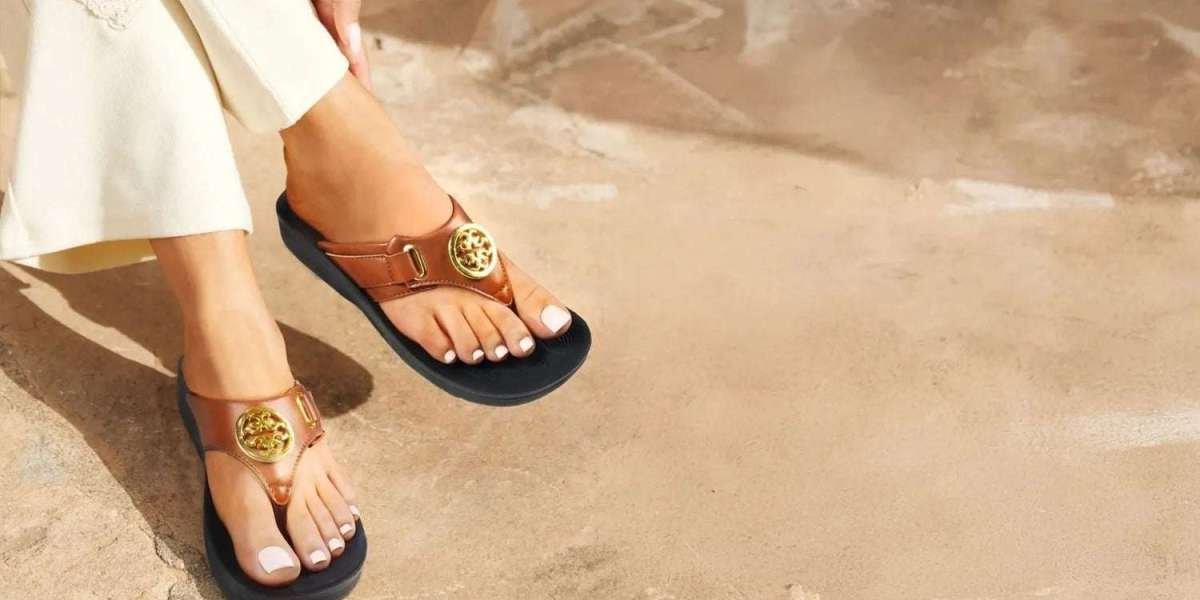
For everyday comfort, many women prefer women’s sandals with arch support, which provide both flexibility and the structure needed to protect the arch.
Listening to Early Warning Signs
Sudden arch pain is often your body’s way of signaling that your feet need attention. Ignoring these signs can lead to ongoing discomfort and more serious issues over time.
By understanding the causes—such as inflammation, ligament strain, and repetitive stress—you can take early action to protect your foot health and stay comfortable in your daily routine.