
Managing a fleet of construction vehicles and equipment is no easy task. From coordinating machine deployment to ensuring timely maintenance, the logistics involved in keeping everything running smoothly can become complex and time-consuming. Construction companies face the challenge of maximizing fleet performance while minimizing costs, delays, and downtime. Construction fleet management software has become an essential tool in this process, offering companies the ability to streamline operations, improve resource allocation, and enhance overall efficiency.
By leveraging technology, construction firms can better manage their fleets, monitor performance, and ensure their equipment is being used optimally. This software provides real-time insights into fleet operations, enabling businesses to make informed decisions that drive productivity and cost savings.
Why Fleet Efficiency Matters in Construction
The efficiency of a construction fleet directly impacts a project’s timeline, budget, and overall success. When fleet operations are inefficient, it can lead to delays, unplanned maintenance, and unnecessary costs. In construction, every delay in equipment or vehicle availability can cause a ripple effect throughout the entire project.
Effective fleet management ensures that:
Equipment is available when needed, reducing downtime.
Maintenance schedules are adhered to, preventing unexpected breakdowns.
Resources are allocated efficiently across multiple job sites.
Fuel consumption and operational costs are minimized.
Fleet efficiency is not only about maintaining equipment; it’s also about improving workflows and making sure that the right resources are being used in the right place at the right time.
Real-Time Data for Better Decision-Making
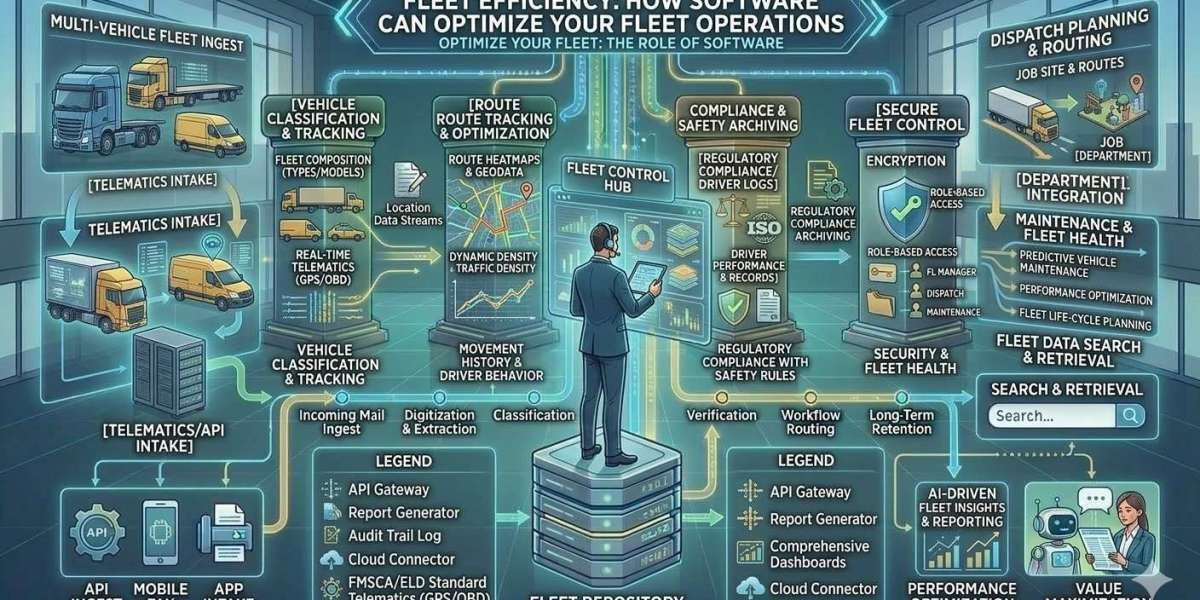
One of the key advantages of using construction fleet management software is its ability to provide real-time data. This data can include equipment location, usage, fuel consumption, and even diagnostic information. Real-time data helps fleet managers stay informed about the status of each asset, allowing them to make immediate adjustments to improve efficiency.
How real-time data drives decision-making:
Location Tracking: Managers can see where their equipment is located at any given time, allowing for better coordination across job sites.
Usage Metrics: Software provides insights into how much each piece of equipment is being used, helping managers identify underutilized assets that can be redeployed elsewhere.
Fuel Consumption: By tracking fuel use, managers can identify inefficiencies and adjust operational practices to reduce fuel costs.
Performance Data: Monitoring the health of equipment through diagnostic reports helps managers make decisions about maintenance, repairs, or replacements.
Access to real-time data helps prevent misallocation of resources, improves scheduling, and ensures that machines are being used efficiently.
Maximizing Equipment Utilization
Equipment utilization is one of the biggest factors that contribute to fleet efficiency. If a machine sits idle for long periods, it’s costing the company money without delivering value. Conversely, overusing certain equipment can lead to increased wear and tear, resulting in higher maintenance costs.
How fleet management software maximizes equipment utilization:
Asset Availability: Managers can track when and where equipment is needed, ensuring that the right equipment is deployed to the right job site.
Optimal Scheduling: By analyzing usage data, companies can schedule machines for use during peak times, ensuring they are operating at their full capacity.
Identifying Underutilized Assets: The software can highlight equipment that is being underused, allowing managers to redistribute assets across projects.
Maximizing equipment utilization allows construction companies to get the most out of their fleet while avoiding unnecessary costs associated with underused or overworked machines.
Proactive Maintenance and Reduced Downtime
Equipment failure is one of the most disruptive factors in construction projects. Downtime due to broken equipment not only delays the project but also increases repair costs. Proactive maintenance is essential to ensure that equipment remains operational for as long as possible, reducing the chances of unplanned downtime.
How software supports proactive maintenance:
Maintenance Scheduling: Software allows managers to schedule regular maintenance tasks based on equipment usage, ensuring that machines are serviced before they break down.
Alerts and Notifications: The system can send automatic alerts when maintenance is due or when a machine shows signs of wear and tear, helping managers avoid costly emergency repairs.
Performance Monitoring: Continuous monitoring of equipment performance helps detect early warning signs of mechanical issues, allowing for timely interventions.
By implementing a proactive maintenance schedule through fleet management software, companies can keep their equipment running longer, reduce repair costs, and avoid the disruption caused by unexpected breakdowns.
Enhancing Fleet Transparency and Communication
Effective communication between teams and stakeholders is essential to running a successful construction project. Construction fleet management software enhances transparency by providing a centralized platform where all team members can access up-to-date information about fleet operations.
How software improves fleet transparency:
Centralized Data: All relevant equipment information, such as usage, maintenance, and location, is stored in one place, allowing stakeholders to access the data they need at any time.
Real-Time Updates: Whether it’s tracking the location of a machine or checking maintenance status, real-time updates ensure that everyone on the team is informed.
Reporting and Analytics: The software generates reports on fleet performance, maintenance costs, and other key metrics, enabling teams to make data-driven decisions and improve communication across departments.
Fleet management software allows construction companies to break down silos, improve collaboration, and make the flow of information more efficient.
Fuel Efficiency and Cost Reduction
Fuel is one of the largest operating expenses for construction companies, and tracking fuel consumption can significantly impact overall project costs. Construction fleet management software helps reduce fuel waste by providing insights into fuel consumption patterns.
How fleet management software helps reduce fuel consumption:
Tracking Fuel Usage: The software monitors fuel usage for each piece of equipment, allowing managers to identify inefficiencies.
Optimizing Routes and Schedules: By tracking the movement of machines, software can help managers optimize routes and schedules, reducing the time equipment spends idling or traveling between job sites.
Preventing Fuel Theft: GPS tracking and usage monitoring help prevent unauthorized use of fuel, reducing losses due to theft.
By addressing fuel inefficiencies, construction companies can significantly reduce operating costs and improve their bottom line.
Scaling Fleet Operations as Projects Grow
As construction companies expand their operations or take on more projects, managing a larger fleet can become increasingly complex. Construction fleet management software provides a scalable solution that grows with the company, allowing for more efficient management of larger fleets.
How software supports scalability:
Centralized Platform: As fleets grow, all data from multiple job sites can be accessed from one platform, providing a unified view of operations.
Handling Multiple Projects: Fleet management software helps coordinate equipment across several projects, ensuring that resources are allocated efficiently and no equipment sits idle.
Fleet Performance Tracking: The software’s reporting tools allow managers to track the performance of a growing fleet and make informed decisions about adding or replacing equipment.
With the right software in place, companies can scale their operations without losing control over fleet management or compromising on efficiency.
Improving Compliance and Safety
In addition to optimizing operations, construction fleet management software can help companies meet regulatory compliance and improve safety. By tracking the maintenance history of equipment and monitoring usage patterns, software ensures that machines are operating within safety regulations and industry standards.
How software helps improve safety and compliance:
Compliance Reporting: The software generates reports that track maintenance and inspections, ensuring that equipment meets safety and regulatory standards.
Safety Monitoring: Tracking equipment usage and performance helps identify safety risks before they become serious issues, ensuring that machinery is in good working order.
Inspection Reminders: The system can automatically alert managers when equipment is due for a safety inspection or regulatory check, preventing compliance issues.
By improving safety and compliance, construction companies can reduce the risk of accidents, legal penalties, and costly delays.
Conclusion
Construction fleet management software is a powerful tool for optimizing fleet operations, reducing costs, and improving efficiency. By providing real-time data, improving resource allocation, and streamlining maintenance processes, the software helps construction companies manage their fleets more effectively.
With features such as proactive maintenance scheduling, real-time tracking, and fuel consumption monitoring, companies can reduce downtime, minimize fuel waste, and ensure that their equipment is used to its full potential. As construction projects grow in complexity and scale, fleet management software becomes an essential tool for staying organized, maintaining efficiency, and ultimately ensuring the success of the project.