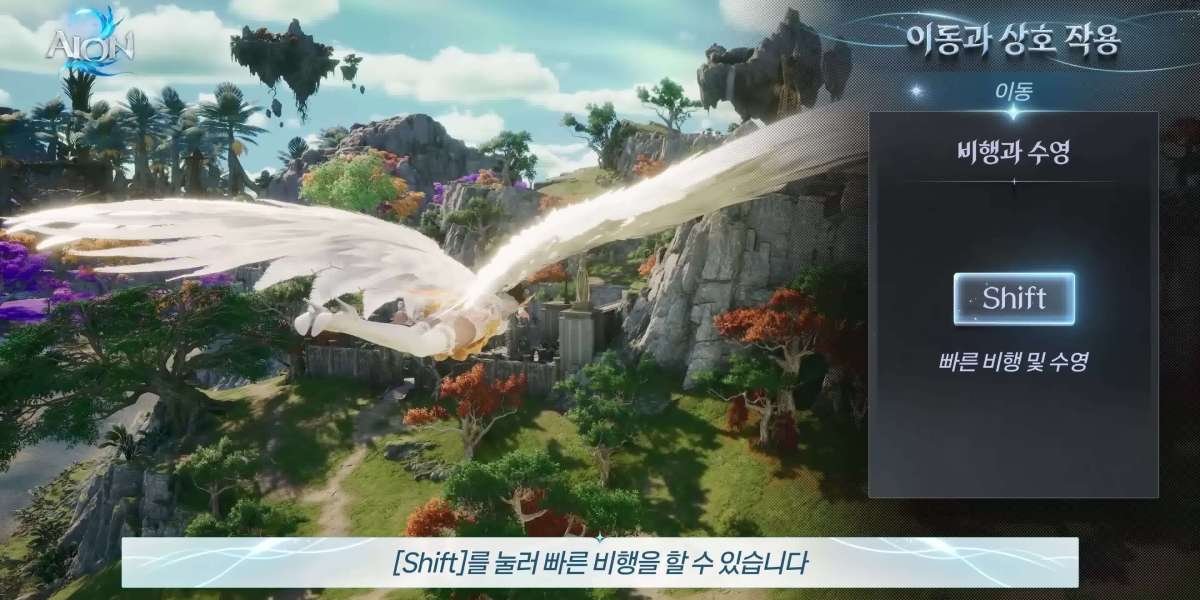

The upcoming global release of Aion 2 is one of the most anticipated MMORPG events of 2026. After playing the game extensively on Korean and Taiwanese servers, it's clear that the game itself is strong—combat feels solid, graphics are impressive, and both PvP and PvE systems are well designed.
However, success in global markets such as North America, Europe, and South America will depend not only on gameplay quality but also on monetization structure and accessibility. If the global version keeps the current regional model, player numbers could be significantly lower than expected.
Here are the most important changes developers and publishers should consider.
1. One Subscription + One Battle Pass (Cheaper Pricing)
Currently, the Korean and Taiwanese versions use a dual subscription structure plus multiple battle passes.
Players can purchase two subscriptions bundled together for roughly €27, which also unlocks certain convenience features.
For global release, this system is likely to face resistance.
Why This Matters
Global MMORPG players are generally more sensitive to mandatory recurring costs with cheap Aion 2 Kinah.
The recommended structure would be:
One subscription
One battle pass
Price range around $15–$20 total
This pricing model is more aligned with Western MMORPG expectations.
If the game launches globally with the current higher bundle pricing, many players may still pay—but overall player population and long-term community growth could suffer.
The publisher, likely handled by NC America under supervision of NCSoft, will need to balance monetization and accessibility.
2. Make Marketplace Access Free for All Players
One of the most critical global changes should be removing marketplace access from paid subscription requirements.
In the current system, marketplace access is locked behind the first subscription tier.
This design may work in East Asian markets, but it is unlikely to be accepted globally.
What Should Change
Marketplace trading should be open to all players.
Subscription can still control:
Personal player-to-player trading
Convenience features
Optional progression bonuses
This structure is similar to older MMORPG gold pack systems but more player-friendly.
If marketplace access remains paywalled, new player acquisition may suffer.
3. The Kuna–Kina Currency Exchange Problem
The most controversial system in the game is the premium-to-in-game currency conversion.
Players can purchase premium currency (kuna), then exchange it into main progression currency (kina).
Why This Matters
Kina is the core economic resource.
Character progression, equipment upgrades, and competitive advantage are strongly tied to kina.
This system creates a strong pay-to-win perception because spending real money directly influences progression speed.
In an ideal design, developers would:
Limit premium currency usage to cosmetic or convenience purchases.
Remove direct premium-to-progress currency conversion.
However, removing this system is unlikely because it likely represents a major revenue stream.
4. Dungeon Energy System Needs Better Optimization
The game uses shared energy resources for dungeon loot acquisition.
Energy is consumed across multiple dungeon modes such as:
Expedition content
Conquest activities
Transcendence dungeons
The problem is simple—players frequently run out of energy.
Even with subscription bonuses that increase energy regeneration or loot efficiency, players may still feel forced to create alternate characters (alts) to maintain farming efficiency.
A better design would be:
Separate energy pools for different dungeon categories.
Or significantly increase energy regeneration rates.
5. Class Balance and UI Improvements
The development team has already been adjusting class balance, which is positive.
Additional polishing could further improve player experience:
Combat and Visual Presentation
PC user interface optimization
Character weapon display behavior when idle stance is activated
Small UI immersion improvements can matter for long-term player satisfaction.
6. Why Aion 2 Is Still a Strong Game
Despite monetization concerns, the game itself is considered one of the best MMORPGs entering 2026.
Strengths include:
High-quality PvP systems
Strong PvE dungeon design
Modern graphics engine
Smooth combat mechanics
Large-scale world content
Compared to upcoming competitors, few MMORPG projects currently match its overall polish.
7. Regional Acceptance vs Global Expectations
The current monetization system is relatively acceptable for Korean, Taiwanese, and Chinese markets, where subscription hybrid models are more common.
Western markets usually prefer:
Clear free-to-play accessibility
Lower mandatory payment barriers
Open trading environments
If the global version maintains the regional structure, the game may still succeed but with a smaller player base.
8. The Role of Publishers in Global Success
Global success will likely depend heavily on decisions made by publishing teams such as NC America.
If they adapt monetization and accessibility rules, global launch performance could exceed expectations.
Otherwise, the game may remain popular but niche.
Final Thoughts
Aion 2 is already a high-quality MMORPG with strong combat, content, and visual design.
For global success, two changes are absolutely critical:
Introduce a single, affordable subscription plus one battle pass.
Make marketplace access free for all players with Aion 2 Items.
Secondary improvements such as energy system optimization and UI polishing would further enhance player experience.
The game has the potential to dominate the MMORPG market in 2026 if global publishing decisions are handled carefully.
If developers and publishers implement these adjustments, the global launch of Aion 2 could become one of the biggest MMORPG successes in recent years.