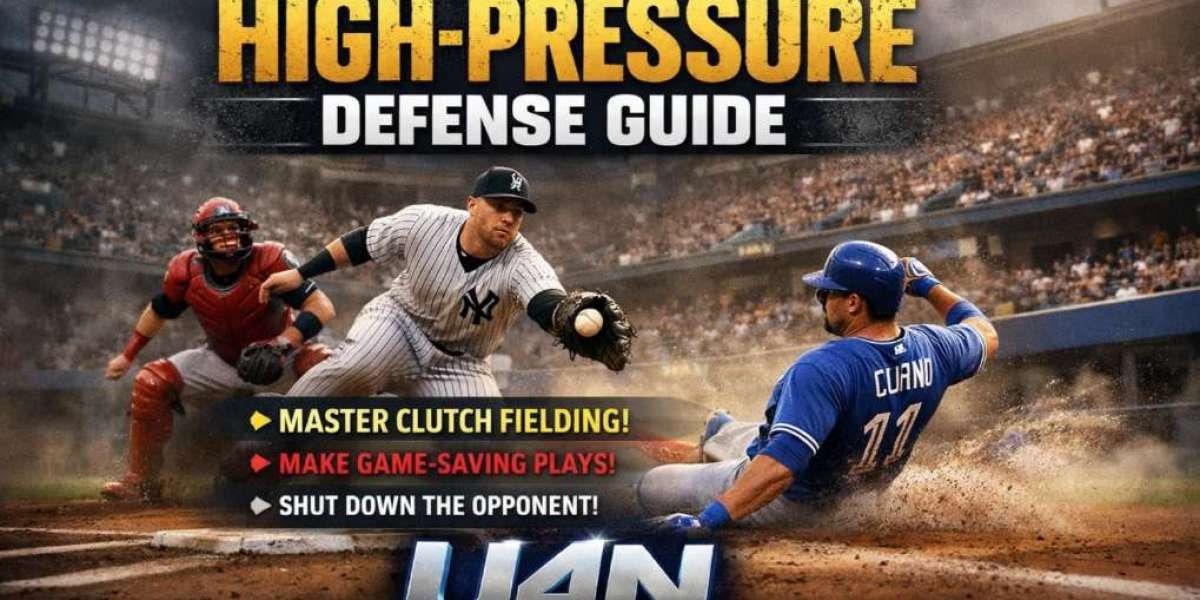

When playing MLB The Show 26, defense is just as important as hitting and pitching. One of the most effective strategies for making a difference in the game is utilizing high-pressure defense. High-pressure defense means applying consistent, aggressive pressure on your opponent, forcing them to make mistakes or hit into tough situations. Whether you’re playing offline or against other players in ranked matches, this strategy can help you get key outs and turn the game in your favor. In this guide, I’ll break down what high-pressure defense looks like, how to execute it, and how to adjust it based on the opponent you’re facing.
What Is High-Pressure Defense?
High-pressure defense is all about making it difficult for the batter to get comfortable and forcing them into tough decisions. This includes strategies like positioning fielders in places where they can make plays quickly, throwing off the batter's timing with different pitches, and controlling the running game. In simple terms, you’re making the game harder for your opponent by applying constant pressure.
Why Should I Use High-Pressure Defense?
The main reason to use high-pressure defense is to create opportunities to get outs. In MLB The Show 26, most players tend to rely on traditional defensive setups or playing conservatively. By adopting a more aggressive, high-pressure mindset, you disrupt the batter’s rhythm and can cause errors, weak contact, or even induce double plays. It’s a strategy that forces your opponent to adjust, which can give you the upper hand.
How Can I Set Up My Defense for High Pressure?
To get the most out of high-pressure defense, you need to make sure your fielders are in the right positions and that your pitching strategy complements your defensive tactics. Let’s break this down.
1. Fielder Positioning
In MLB The Show 26, you have full control over your fielder positioning. High-pressure defense often involves shifting your infielders or outfielders to positions that put pressure on the batter. For example:
Infield Shifts: Shifting your infielders to the right or left depending on the batter’s tendencies (like pulling the ball or hitting to the opposite field) can make it harder for them to find gaps. The shift works well against batters who are known to hit in a specific direction, so be mindful of the batter's strengths and adjust accordingly.
Outfield Depth and Alignment: Adjusting your outfielders can also apply pressure. If you’re facing a batter with high power but low contact, you might want to position your outfielders deeper to prevent extra-base hits. Conversely, if the batter is known for hitting a lot of singles or line drives, a shallower alignment might be better.
2. Pitching Strategy
Your pitch selection should complement your defensive setup. For instance, if you’ve shifted your infield for a right-handed batter who pulls the ball, you’ll want to focus on pitches that jam the batter inside, like a high fastball or an inside slider. This makes it more likely that the batter will either ground out or pop up into a situation where your infielders can make a quick play.
You can also use pitch sequencing to create pressure. Don’t rely on the same pitches repeatedly. Mixing speeds and locations makes it harder for the batter to predict what’s coming next, which leads to weaker contact. For example, a fastball followed by a curveball can confuse hitters and cause them to swing at pitches they’re not prepared for.
3. Controlling the Running Game
Another aspect of high-pressure defense is controlling the base runners. In MLB The Show 26, stealing bases is a common strategy for aggressive players, and stopping runners can be a game-changer. Here are a few things to keep in mind:
Pitching from the Stretch: When you have a runner on base, especially in a high-pressure situation, make sure to pitch from the stretch. This gives you a quicker delivery to the plate and reduces the chances of a stolen base.
Pickoff Moves: Learn to use pickoff moves to keep runners honest. A well-timed pickoff attempt can throw off the batter’s concentration and prevent a stolen base.
Catcher’s Arm: Make sure your catcher has a good arm to stop runners from stealing. If you're trying to throw out a runner, don’t rush the throw; take your time to make sure it's accurate.
What Are Some Common Mistakes in High-Pressure Defense?
Even experienced players can make mistakes when trying to apply high-pressure defense. Here are a few things to avoid:
1. Over-Shifting
One common mistake is over-shifting your infield or outfield. While defensive shifts can be effective, you need to make sure you're not leaving too much space open. If the batter is a good hitter who can adjust to the shift, you might be creating a gap they can exploit.
2. Predictable Pitching Patterns
Another mistake is becoming too predictable with your pitches. If you constantly throw the same pitches in the same locations, the batter will catch on. Keep changing things up, and don’t be afraid to throw unexpected pitches, like a changeup in an 0-2 count.
3. Ignoring the Runner
If you focus too much on the batter and neglect the base runner, you could end up giving up free bases. Remember, controlling the running game is an important part of high-pressure defense, so keep an eye on the base runner and be ready to make a quick play.
How Do I Adjust High-Pressure Defense Based on My Opponent?
Every player has different tendencies, so you’ll need to adjust your high-pressure defense based on your opponent. Here’s a breakdown:
Against Aggressive Batters: If you’re facing a player who is always swinging for the fences, use a deeper outfield setup and throw pitches on the corners of the plate. You want to make them work for their hits and prevent big home runs.
Against Patient Batters: Some players will take pitches and wait for a mistake. In this case, you might want to keep your defense tighter and use more breaking balls to try and get them to chase.
Against Speedy Players: If the opposing team has fast players who like to steal bases, be sure to pay attention to your pickoff moves and make sure your catcher has a strong arm.
How Can I Use High-Pressure Defense to Get More Outs?
High-pressure defense helps you get more outs by forcing your opponent to make mistakes. When you’re playing aggressively, you're likely to induce weak contact, pop-ups, or ground balls that your infielders can turn into double plays. Additionally, if you control the running game, you'll minimize the risk of extra-base hits or stolen bases. In essence, high-pressure defense makes your opponent feel like they’re always under threat.
Final Tips for High-Pressure Defense in MLB The Show 26
Keep your opponent guessing: Don’t let them settle into a rhythm. Mix up your pitch locations, and adjust your defense based on the batter’s tendencies.
Know your fielders: Understand your players' strengths and weaknesses. A slow fielder won’t be able to make a quick play, so position them accordingly.
Be patient: High-pressure defense is about staying one step ahead of your opponent. Don’t be too eager to make a play; sometimes the best decision is to let the game come to you.
If you want to get better at executing high-pressure defense and make your team even stronger, consider investing in player upgrades or buying MLB 26 stubs online. Having the right players in the right positions can make all the difference in your defense.
High-pressure defense in MLB The Show 26 is a powerful strategy that can take your gameplay to the next level. By making the right defensive adjustments, mixing up your pitching, and controlling the running game, you can put constant pressure on your opponent and force them into tough situations. Whether you're trying to get out of a jam or make a big play in a key moment, high-pressure defense can be your secret weapon. Keep practicing, stay adaptable, and watch as your defensive plays become more successful and game-changing.