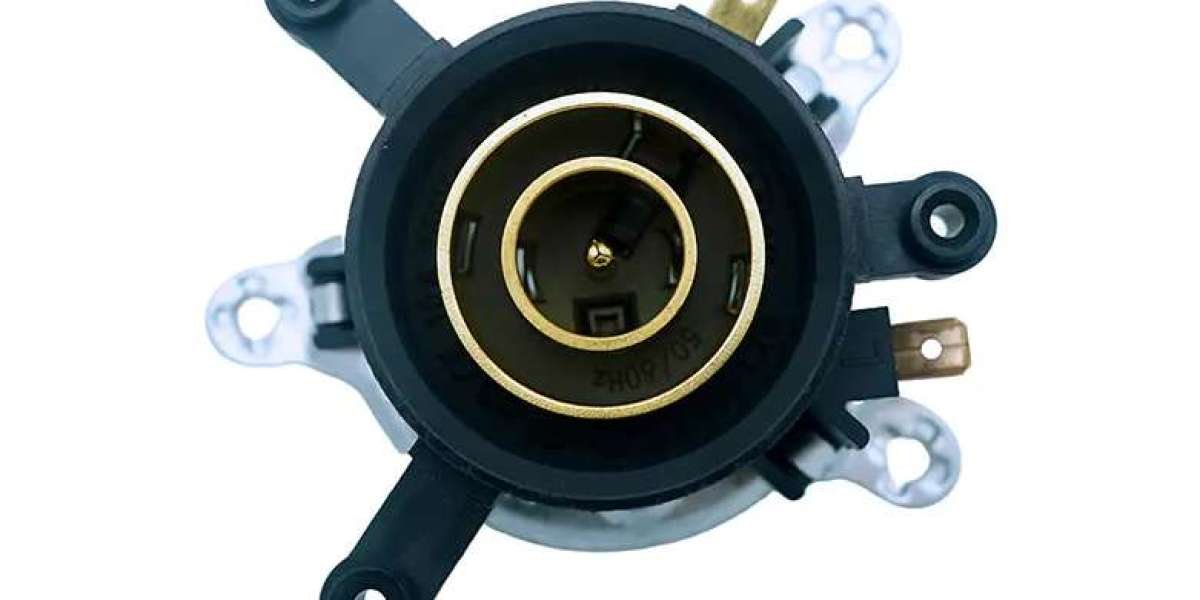

How Anti-Drying Kettle Thermostats Work
An Anti-Drying Kettle Thermostat is a critical safety component designed to prevent the kettle from operating when there is insufficient water inside. Its primary function is to detect excessive heating that could occur if the kettle runs dry and automatically cut off power to the heating element. By preventing overheating, it protects the appliance from damage and safeguards users from potential hazards such as burns or fire. While a thermostat alone can prevent dry boiling, integrating it with additional systems like steam switches or water level sensors greatly enhances the overall safety and functionality of modern electric kettles.
Integration with Steam Switches
Steam switches are sensors that detect the presence of steam rising from the kettle during boiling. When integrated with an Anti-Drying Kettle Thermostat, these switches provide real-time feedback about the water status inside the kettle. If steam production drops unexpectedly or the kettle begins to overheat due to low water levels, the thermostat receives a signal from the steam switch and immediately interrupts power to the heating element. This dual detection mechanism ensures that the kettle reacts faster to abnormal conditions than a thermostat alone, reducing the risk of dry boiling and improving operational reliability.
Coordination with Water Level Sensors
Water level sensors provide another layer of protection by continuously monitoring the liquid quantity inside the kettle. These sensors can work in combination with the thermostat to prevent the kettle from starting if the water is below a safe threshold. During operation, if the water level drops too low, the sensor sends a signal to the Anti-Drying Kettle Thermostat to cut off the heating element. This integration not only prevents dry boiling but also supports precise temperature control, as the kettle can automatically adjust heating cycles based on actual water volume, ensuring consistent performance for tasks such as brewing tea or coffee.
Advantages of Combined Systems
The combination of an Anti-Drying Kettle Thermostat, steam switch, and water level sensor offers significant advantages for both safety and convenience. Users benefit from a kettle that automatically adapts to real-time conditions, reducing the likelihood of overheating or electrical hazards. This setup also extends the lifespan of the appliance by minimizing stress on the heating element. For commercial or high-frequency use, these integrated systems improve reliability and reduce maintenance costs. Additionally, users experience greater peace of mind knowing that the kettle has multiple fail-safes to prevent accidents or appliance failure.
Integrating an Anti-Drying Kettle Thermostat with steam switches and water level sensors represents a modern approach to safe and efficient kettle design. The thermostat acts as the primary safeguard against overheating, while the sensors provide dynamic, real-time feedback about the kettle’s status. Together, these components create a coordinated system that enhances operational safety, improves performance, and extends the appliance’s lifespan. For consumers seeking reliability, efficiency, and peace of mind, kettles featuring this integrated approach are the optimal choice.