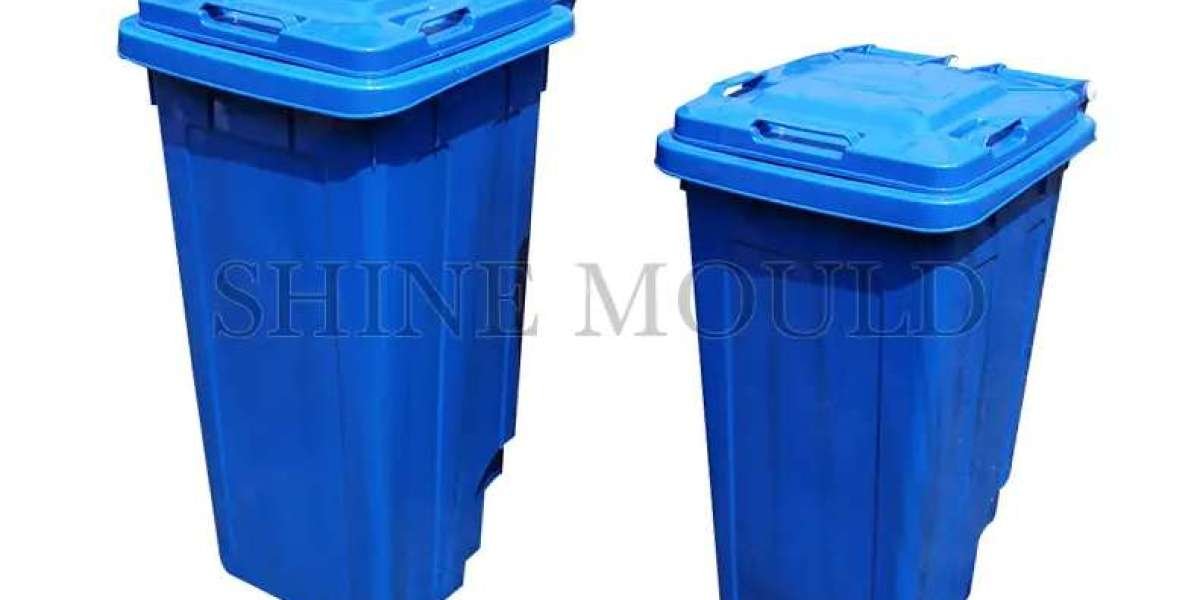

Importance of Mould Design
The design of a dustbin mould plays a critical role in determining the functionality, stability, and longevity of the final product. Small differences in shape, wall thickness, or reinforcement can significantly affect the ease with which the lid opens and closes, as well as the overall balance of the garbage bin. A well-designed mould ensures not only operational efficiency but also user safety and satisfaction. Manufacturers must carefully consider geometry, structural support, and material flow to produce dustbins that meet these requirements.
Impact of Geometry on Lid Movement
The geometry of the dustbin mould influences how the lid aligns and pivots. Features such as rounded edges, uniform wall thickness, and well-defined hinge areas help minimize friction and prevent jamming. Misaligned or overly thin sections can cause resistance during lid operation, leading to user frustration and potential damage. Optimizing the curvature and placement of hinge points in the mould ensures that the lid opens smoothly and consistently, even after repeated use.
Reinforcement and Wall Thickness Considerations
Structural support within the mould is essential for maintaining both lid stability and bin integrity. Reinforced walls and ribs distribute stress more evenly during use, preventing warping or collapse. Thicker walls in critical areas, such as near hinges or handles, help absorb mechanical forces and reduce the likelihood of deformation. Conversely, uneven or insufficient reinforcement can result in misalignment, making the lid harder to operate and compromising stability when the bin is full.
Material Flow and Surface Finish
The way molten plastic or metal flows into the dustbin mould also affects lid performance. Proper flow ensures that the mould is filled without voids, which could create uneven surfaces or weak points. A smooth internal surface reduces friction at hinge points, allowing the lid to open and close effortlessly. Additionally, controlled cooling during production prevents warping, maintaining the correct alignment between the lid and the body of the dustbin.
Hinge and Lid Interface Design
The hinge area is perhaps the most critical section for smooth operation. Dustbin moulds must account for precise tolerances in the lid interface to prevent excessive looseness or tightness. Incorporating features such as reinforced hinge sockets or guide channels helps maintain consistent alignment. A well-engineered hinge design minimizes wear and tear over time and ensures that even heavy loads do not compromise the lid’s functionality.
Testing and Quality Control
To guarantee that the dustbin mould produces bins with smooth, stable lids, manufacturers conduct rigorous testing. Trial runs allow engineers to assess lid movement, structural stability, and overall user experience. Adjustments to wall thickness, reinforcement patterns, or hinge geometry can be made based on these observations. Regular monitoring ensures that the production mould maintains precision and consistency throughout its lifespan.
Design is Key to Functionality
The design of a dustbin mould directly impacts the ease of lid operation and the stability of the finished product. Factors such as geometry, reinforcement, wall thickness, material flow, and hinge interface all contribute to the functional performance of a dustbin. Careful attention to these design elements ensures that the bins operate smoothly, remain stable under load, and provide long-lasting, reliable performance. By investing in well-engineered dustbin moulds, manufacturers can enhance user satisfaction and reduce production defects.