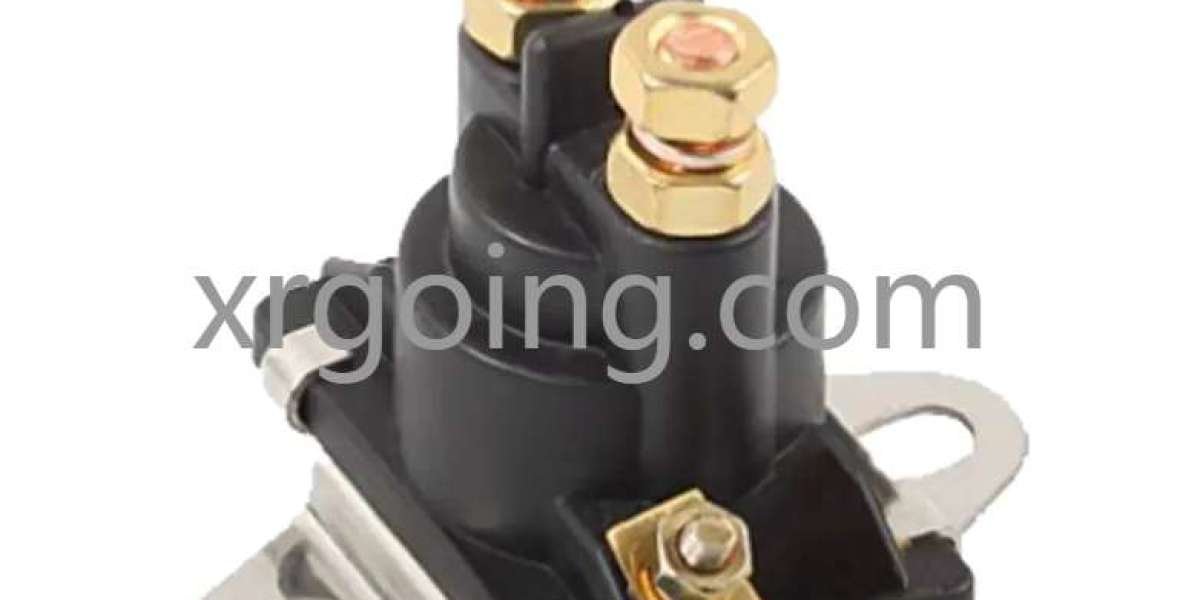

Introduction to Outboard Motor Relays
An Outboard Motor Relay is a vital component in marine engines, responsible for controlling high-current circuits such as engine starters, fuel pumps, and accessory systems. Because these relays are used in boats and other watercraft, they must withstand harsh marine conditions, including exposure to water, salt, humidity, and temperature fluctuations. One of the most critical considerations for reliability and longevity is whether the relay is designed to resist water ingress and corrosion. Understanding how relays are protected against these factors is essential for boat owners and marine technicians alike.
Waterproof Design Features
Waterproofing is a key feature for marine relays. High-quality outboard motor relays are often sealed with gaskets, epoxy, or fully encapsulated in protective housings to prevent water from entering the internal contacts. This design protects the relay from splashes, rain, and occasional immersion, which are common in marine environments. Even brief exposure to water can cause electrical shorts or reduce contact efficiency in non-protected relays. Therefore, ensuring that a relay has an IP (Ingress Protection) rating suitable for marine use is crucial for reliable operation.
Corrosion Resistance and Material Selection
Saltwater is highly corrosive, and prolonged exposure can quickly degrade metal components. Outboard motor relays designed for marine applications typically use corrosion-resistant materials for contacts, terminals, and housings. Common materials include plated copper alloys, stainless steel, and high-grade plastics. These materials prevent oxidation and maintain low electrical resistance, even in environments with high humidity or salt spray. Proper material selection ensures that the relay continues to function efficiently without developing increased resistance or intermittent connectivity.
Protective Coatings and Treatments
In addition to material choice, protective coatings play a crucial role in durability. Many relays are coated with specialized anti-corrosion finishes on terminals and contact surfaces to further enhance resistance to environmental damage. These coatings provide an additional barrier against moisture, salt, and debris, reducing the risk of short circuits or premature failure. For marine engines, these coatings are often combined with sealed housings to ensure maximum protection.
Maintenance and Inspection Practices
Even with waterproof and corrosion-resistant designs, regular maintenance is recommended for outboard motor relays. Inspecting the relay for signs of corrosion, loose terminals, or cracks in the housing can prevent unexpected failures. Cleaning the terminals and ensuring proper connection helps maintain optimal performance. For boats operating in saltwater environments, rinsing components with fresh water and drying them after use can further extend the relay’s lifespan and reliability.
Aproperly designed Outboard Motor Relay can be both waterproof and corrosion-resistant, making it suitable for the demanding conditions of marine environments. Sealed housings, corrosion-resistant materials, and protective coatings ensure that the relay can withstand water exposure, salt spray, and humidity without compromising performance. Regular inspection and maintenance further enhance reliability and longevity. Choosing a relay specifically rated for marine use is essential for preventing electrical failures, ensuring safe operation, and maintaining the overall efficiency of an outboard motor system.