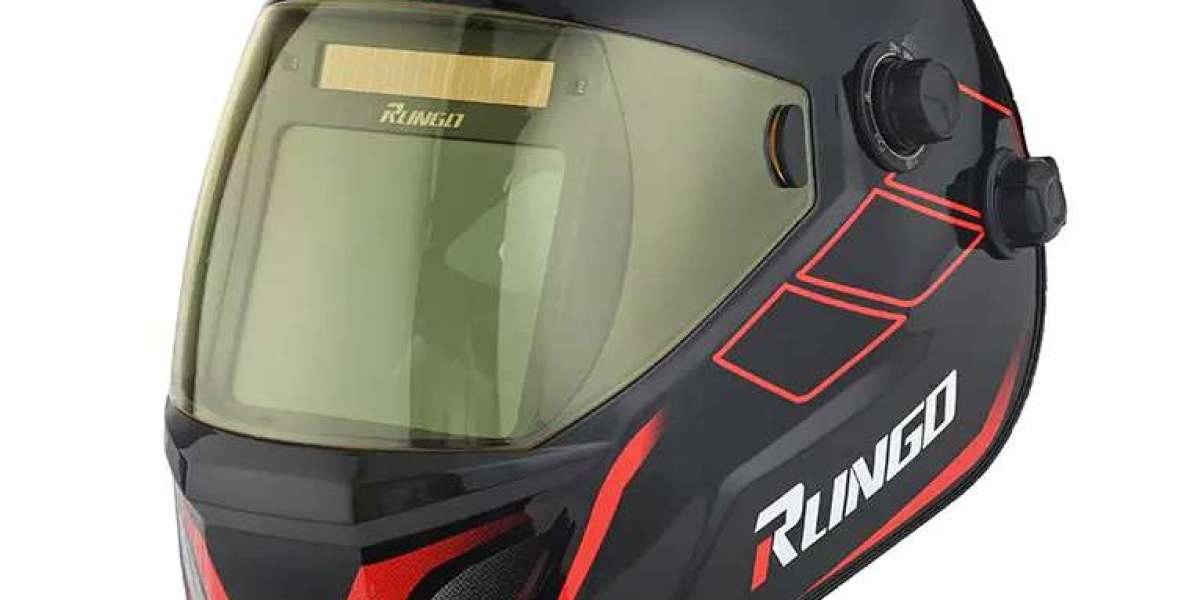

Introduction to Auto Adjusting Welding Helmets
An Auto Adjusting Welding Helmet is designed to protect welders from sudden bursts of bright light and harmful radiation produced during welding. One of the most critical performance factors is how quickly the helmet responds to changes in brightness. In environments with varying light conditions, such as welding near reflective surfaces or under bright ambient lighting, the helmet must react instantly to prevent eye strain, flash burns, or loss of visibility. Understanding the reaction speed of these helmets is essential for both safety and efficiency in welding operations.
The Technology Behind Auto-Adjusting Helmets
Auto adjusting welding helmets rely on light sensors embedded in the lens to detect the intensity of the welding arc. When a sudden increase in light is detected, the lens darkens automatically within milliseconds. This auto-darkening process allows welders to maintain full visibility while being protected from harmful ultraviolet and infrared radiation. The reaction speed is influenced by sensor quality, lens technology, and electronic circuitry, all of which work together to ensure rapid response to bright arcs or environmental light fluctuations.
Performance in Varying Brightness Levels
Different welding processes and work environments present varying levels of brightness. For example, MIG welding can produce a sustained and extremely bright arc, whereas TIG welding often generates smaller, high-intensity bursts. Ambient lighting, reflective metals, and nearby welding activities can also create sudden changes in perceived brightness. A high-quality auto-adjusting helmet is engineered to respond rapidly to these changes, darkening the lens before the welder’s eyes are exposed to harmful glare. Helmets with slower reaction times may allow brief exposure, causing discomfort or even temporary vision impairment.
Adjustable Sensitivity and Delay Features
Modern auto-adjusting helmets often include sensitivity and delay controls to optimize performance in different brightness conditions. Sensitivity settings determine how responsive the helmet is to changes in light intensity, while delay settings control how long the lens remains dark after the arc diminishes. These features allow welders to customize their helmets for various environments, from dimly lit workshops to outdoor welding under direct sunlight. Proper adjustment ensures that the helmet responds swiftly without unnecessary darkening or dimming during normal operation.
Advantages of Rapid Response Helmets
Helmets that react quickly to changing brightness levels offer several benefits. They reduce the risk of eye strain and flash burns, improve visibility and precision, and enhance overall comfort during prolonged welding tasks. Quick response times are particularly important for tasks that involve frequent arc starting and stopping, or when welding in proximity to other arcs. Auto-adjusting helmets with high-speed reaction capabilities allow welders to maintain focus and accuracy, ultimately contributing to higher-quality work and increased safety.
Considerations for Choosing the Right Helmet
When selecting an auto-adjusting welding helmet, welders should consider the speed of the lens reaction, sensor placement, and the ability to handle varying light conditions. Helmets with multiple sensors provide better coverage and ensure rapid response from different angles. Additionally, high-quality lenses with advanced liquid crystal technology can improve reaction times and maintain clear visibility during intense arcs. Regular maintenance, such as cleaning sensors and checking battery levels, is essential to preserve optimal performance.
The response speed of an Auto-Adjusting Welding Helmet is a critical factor in ensuring safety and comfort across different brightness environments. Advanced sensor technology, adjustable sensitivity, and rapid auto-darkening mechanisms allow the helmet to react instantly to sudden changes in light, protecting the welder’s eyes from flash burns and glare. Choosing a helmet with fast reaction capabilities and maintaining it properly ensures optimal performance, precise welding, and long-term eye safety in both professional and hobbyist applications.