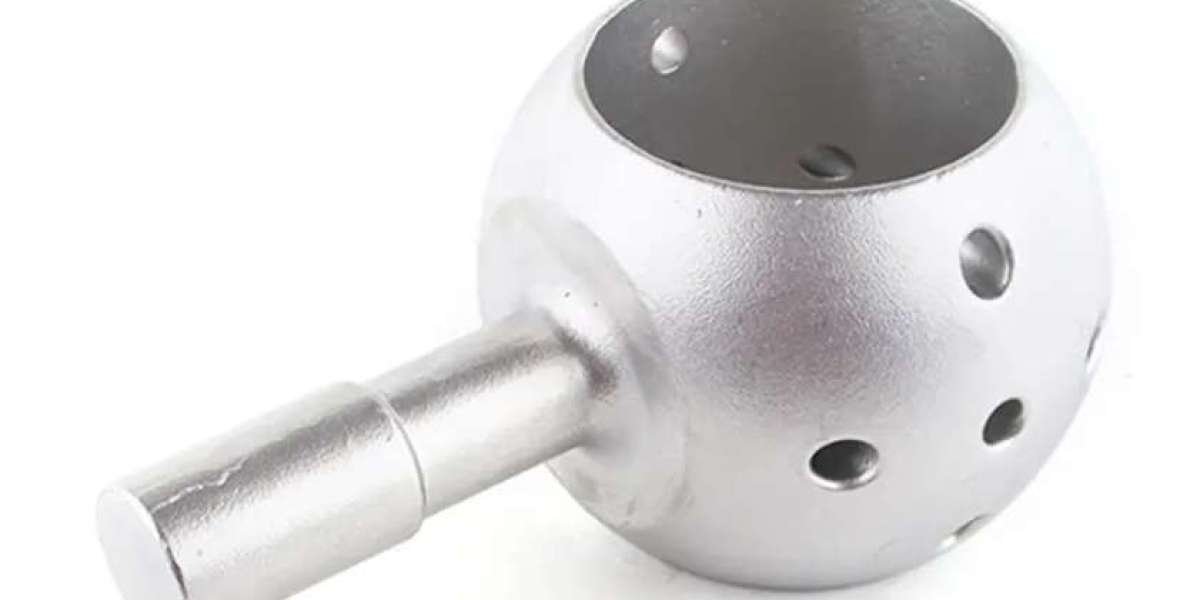

Ball Valve Casting is a critical aspect of fluid control system manufacturing, as both material choice and casting method influence valve performance. Ball Valve Casting determines how well a valve body withstands pressure, temperature variation, and environmental exposure.
Common materials include carbon steel, stainless steel, alloy steel, and iron-based alloys. Carbon steel castings offer reliable mechanical strength for general applications, while stainless steel castings provide improved resistance to corrosion and chemical exposure. Alloy steels support higher pressure and temperature ranges due to enhanced mechanical properties.
Casting method selection also affects performance. Investment casting allows for detailed geometries and smooth internal surfaces, supporting consistent flow and sealing. Sand casting is often used for larger valve bodies, offering flexibility in size and design. Shell molding provides a balance between surface quality and production efficiency.
Surface treatments and coatings further enhance corrosion resistance in demanding environments. Epoxy coatings and liners help protect valve bodies in water treatment and chemical processing systems. These treatments extend service life and reduce maintenance requirements.
Inspection procedures such as radiographic and ultrasonic testing help ensure internal integrity. Pressure testing confirms sealing capability under operating conditions. Through careful material selection and controlled processes, Ball Valve Casting supports reliable valve performance across industrial applications.