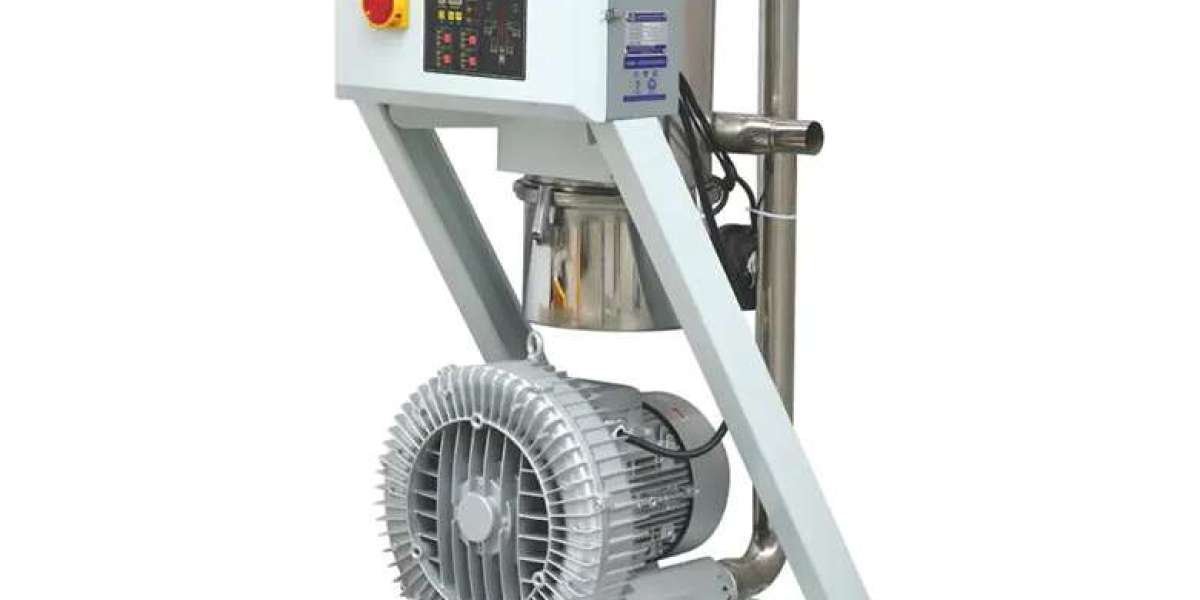

Hopper Design and Drying Efficiency
The design of an Auto Hopper Loader significantly influences the efficiency of drying plastic resins or pellets in industrial processes. Hopper dimensions, particularly height and diameter, determine the airflow, material residence time, and uniformity of drying. Improperly sized hoppers may lead to under-dried or over-dried materials, impacting product quality and increasing energy consumption. Understanding the relationship between hopper size and drying efficiency is crucial for manufacturers aiming to optimize performance and reduce operational costs.
Impact of Hopper Height
Hopper height affects the residence time of material within the dryer. Taller hoppers allow pellets to remain longer in the heated airflow, which can improve moisture removal, particularly for hygroscopic materials like PET. However, excessive height may create uneven drying if airflow is not properly managed, causing the material at the bottom to overheat while the top remains under-dried. Optimizing hopper height ensures sufficient drying time while maintaining uniform temperature distribution throughout the material.
Impact of Hopper Diameter
Hopper diameter influences airflow distribution and material depth. A wider hopper may require more powerful airflow to reach the center and edges effectively. If airflow is insufficient, materials near the center may retain moisture, reducing overall drying efficiency. Conversely, a narrow hopper promotes better air penetration but limits the material capacity, potentially increasing the number of reloads and affecting operational throughput. Selecting the right diameter balances airflow efficiency, material volume, and drying performance.
Airflow and Temperature Considerations
Both hopper height and diameter directly affect airflow patterns and temperature uniformity. Taller or wider hoppers require careful control of airflow speed and heating to ensure consistent drying. Uneven airflow can create hotspots or moisture pockets, which compromise product quality. Using sensors and adjustable fans in an Auto Hopper Loader helps regulate temperature and airflow according to hopper dimensions, enhancing drying efficiency and reducing energy consumption.
Material Throughput and Operational Efficiency
Hopper dimensions also impact throughput and overall operational efficiency. Properly sized hoppers minimize the need for frequent refilling, reducing downtime and improving productivity. However, oversizing the hopper without corresponding airflow adjustments can reduce drying efficiency, leading to energy waste. Balancing height, diameter, and airflow ensures that the Auto Hopper Loader operates efficiently while maintaining consistent material quality across production cycles.
Optimizing Hopper Size for Performance
The height and diameter of an Auto Hopper Loader play a critical role in determining drying efficiency. Proper hopper dimensions ensure sufficient residence time, uniform airflow, and consistent temperature distribution, all of which are essential for effective moisture removal. Manufacturers should consider material properties, airflow capacity, and production requirements when designing or selecting hopper dimensions. Optimizing these parameters enhances operational efficiency, reduces energy consumption, and ensures high-quality output in industrial plastic drying applications.