
The Importance of Material in Durability
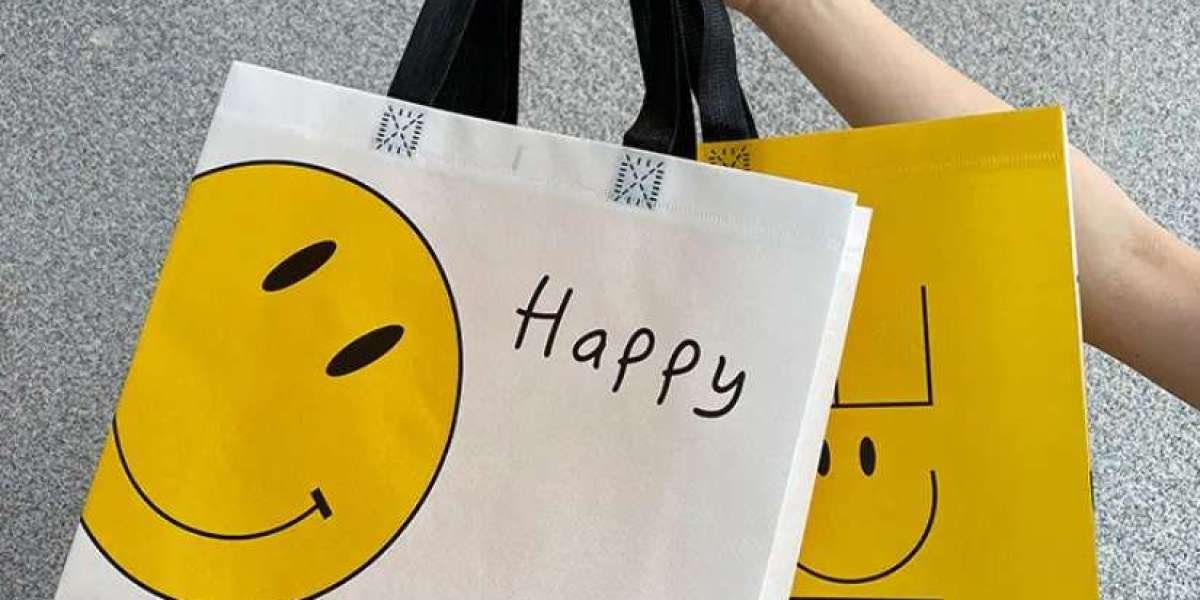
Non-Woven Shopping Bags are widely used as eco-friendly alternatives to single-use plastic bags. Their durability depends heavily on the type and quality of materials used in production. While these bags are generally lightweight and reusable, the differences in material composition can significantly influence their strength, load-bearing capacity, and overall lifespan. Understanding these differences is essential for consumers and businesses aiming for cost-effective and long-lasting solutions.
Polypropylene Non-Woven Bags
Polypropylene (PP) is one of the most common materials for non-woven shopping bags. It offers a good balance between strength and affordability. Bags made from polypropylene are resistant to tearing and can hold moderate to heavy loads without deformation. The material is water-resistant, lightweight, and can be easily printed for branding purposes. However, thinner PP fabrics may stretch or wear out after repeated use, so thickness and weave quality play a critical role in durability.
Polyester Non-Woven Bags
Polyester-based non-woven shopping bags are generally more durable than polypropylene variants. Polyester fibers offer higher tensile strength and resistance to abrasion, which makes these bags suitable for heavier groceries or repeated daily use. Additionally, polyester is more flexible and maintains its shape better over time. While polyester bags tend to be slightly more expensive, their longevity and sturdiness often justify the investment for both personal and commercial use.
Recycled Material Non-Woven Bags
Bags made from recycled fibers, including post-consumer plastics, are growing in popularity due to environmental concerns. The durability of these bags can vary widely depending on the quality of the recycled material and the manufacturing process. Some recycled non-woven bags match the strength of virgin polypropylene or polyester, while others may be more prone to tearing. Proper reinforcement in stitching and handles is crucial to enhance durability for these eco-friendly options.
Composite and Laminated Non-Woven Bags
Composite or laminated non-woven bags combine layers of different materials, such as polypropylene laminated with PE or PET films. These bags are highly durable, water-resistant, and ideal for heavy-duty shopping or promotional purposes. Laminated surfaces also improve resistance to stains and spills, making them more versatile for repeated use. While they are more expensive than standard non-woven bags, their extended lifespan makes them a practical choice for consumers and businesses alike.
Material Choice Determines Longevity
The durability of non-woven shopping bags is closely tied to material selection. Polypropylene bags provide a cost-effective solution for everyday use, polyester offers enhanced strength and flexibility, recycled materials offer environmental benefits with varying durability, and laminated or composite bags provide maximum protection and longevity. Selecting the right material depends on the intended use, load requirements, and preference for sustainability. Understanding these material differences ensures that users invest in non-woven shopping bags that meet both functional and environmental expectations.
Colour: Various colours
Pattern: Customizable
Width:5cm~60cm
Length: Customizable
Thickness: 0.08mm-1.2mm (customisable)
Material: Non-woven
Process: Die-cutting
Application: Clothing, food, daily necessities, cosmetics, cultural products, etc.