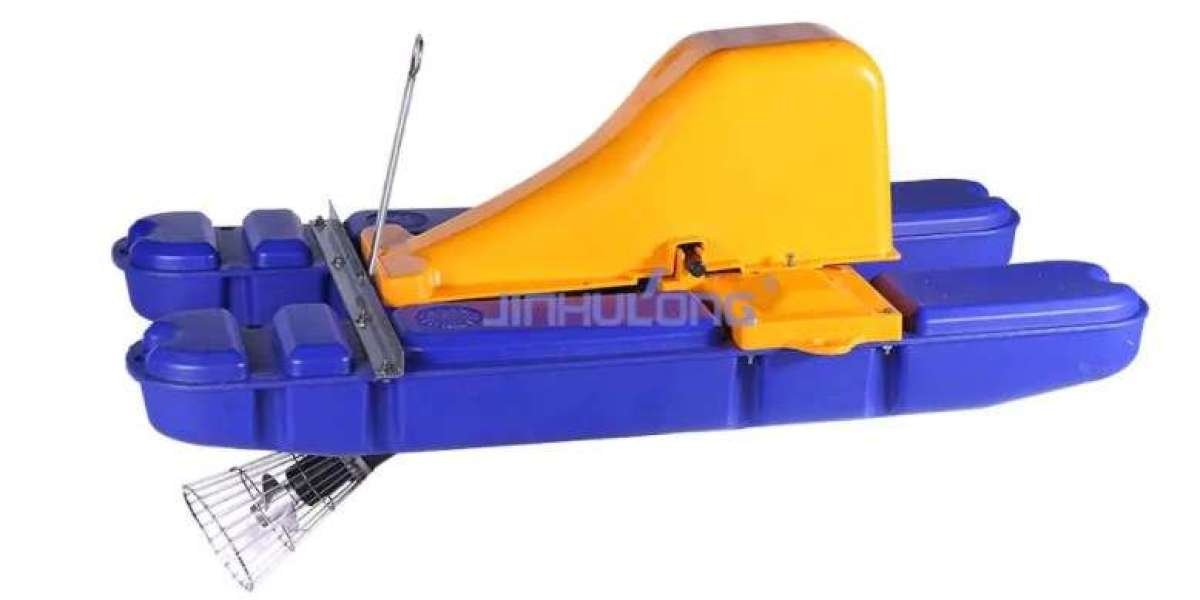

How Much Can a Deep Water Jet Aerator Improve Dissolved Oxygen?
A Deep Water Jet Aerator can significantly improve dissolved oxygen levels by actively injecting air and water at depth, where oxygen deficiency is most common. Unlike surface-based systems, it delivers oxygen directly into lower water layers and immediately mixes it with the surrounding water. This direct approach allows oxygen concentrations to rise more quickly and more evenly, often producing a noticeable increase in overall dissolved oxygen within a short operating period.
Why Does Deep Injection Lead to Higher Oxygen Utilization?
Oxygen transfer efficiency improves when air is introduced deeper in the water column. At greater depths, bubbles remain submerged longer due to higher hydrostatic pressure and extended travel distance to the surface. This longer contact time allows more oxygen to dissolve before bubbles escape. The jet-driven flow also breaks incoming air into smaller bubbles, increasing total surface area and further enhancing oxygen absorption.
How Does Strong Water Circulation Support Oxygen Distribution?
Jet aeration creates powerful directional water movement that pulls oxygen-poor water toward the injection zone and pushes oxygen-rich water outward. This continuous circulation prevents stratification and ensures dissolved oxygen is not confined to a single layer. As deeper water mixes with upper layers, the entire water body benefits from a more balanced oxygen profile, which is difficult to achieve with passive or surface-only aeration systems.
What Is the Impact on Overall Water Quality?
Raising dissolved oxygen does more than improve oxygen numbers alone. Higher oxygen availability accelerates aerobic biological processes that help break down organic matter and reduce the buildup of harmful gases. With sustained jet-driven mixing, sediments are less likely to become anaerobic, and water clarity and stability often improve over time. These effects collectively indicate a strong contribution to long-term water quality enhancement.
How Does Performance Compare with Conventional Aeration Methods?
Traditional aerators often struggle to influence deep water effectively, as much of the introduced air escapes before meaningful oxygen transfer occurs. In contrast, the Deep Water Jet Aerator combines forced air injection with mechanical mixing, allowing more oxygen to dissolve per unit of energy used. This makes oxygen delivery more predictable and efficient, particularly in deeper or heavily loaded water bodies where demand is high.
Why Is This System Effective for High Oxygen Demand Conditions?
Because oxygen is delivered precisely where it is needed and immediately dispersed through circulation, this technology responds well to sudden or sustained oxygen deficits. It supports faster recovery from low-oxygen events while maintaining stable dissolved oxygen levels during normal operation. As a result, its contribution to improving and maintaining dissolved oxygen is both substantial and reliable across demanding applications.