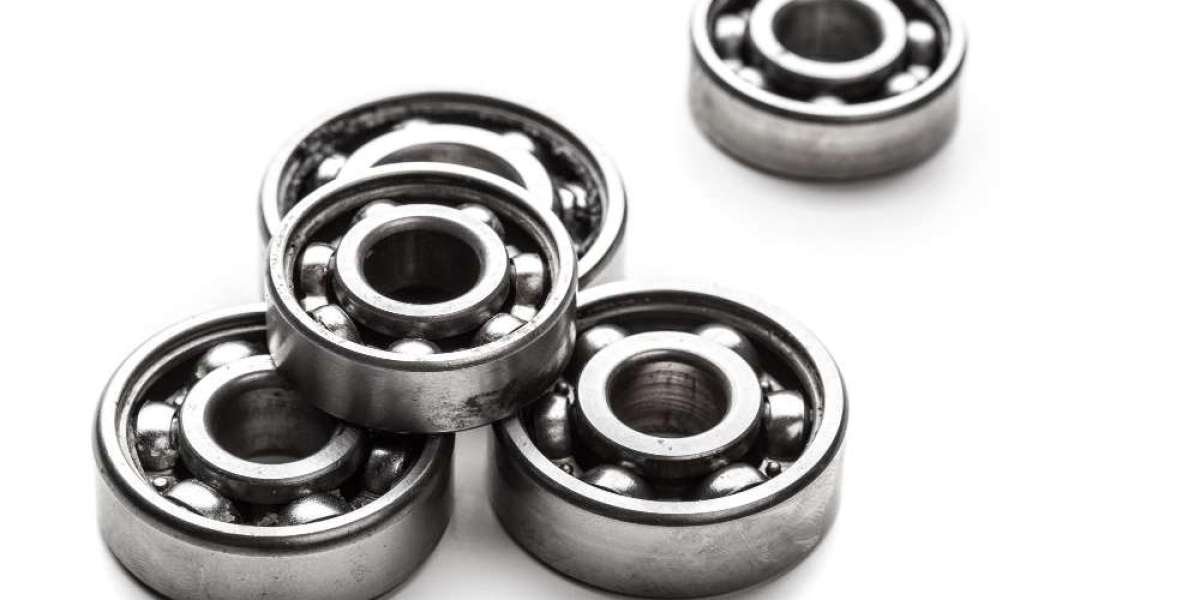

In the world of mechanical engineering, motion is the language of progress. At the center of almost every rotating machine—from the wheels of a car to the turbines of a power plant—lies a bearing. While many people use the term "roller ball bearing" as a general phrase, it actually encompasses two distinct technologies: ball bearings and roller bearings.
At NMR Bearing, we believe that understanding these components is the first step toward optimizing your machinery. Whether you are a procurement specialist for a large factory or a mechanical enthusiast, choosing the right rolling element is critical for performance, safety, and longevity.
Defining the "Roller Ball Bearing" Category
Technically, "rolling-element bearings" are divided into two main types based on the shape of the component that carries the load.
Ball Bearings: These use spherical balls to maintain the separation between the bearing races. They are ideal for high-speed applications with lighter loads.
Roller Bearings: These use cylindrical, tapered, or needle-shaped rollers. They are designed for heavy-duty applications where high "load-carrying capacity" is required.
At NMR Bearing, we provide both varieties, ensuring that your specific torque and speed requirements are met with precision-engineered steel.
How Do Rolling Element Bearings Work?
The primary purpose of any roller ball bearing is to reduce rotational friction while supporting radial and axial loads.
Radial Loads: Force applied perpendicular to the shaft (like a heavy wheel sitting on an axle).
Axial (Thrust) Loads: Force applied parallel to the shaft (like the pressure of a drill bit pushing into wood).
By replacing sliding friction with rolling motion, these bearings allow shafts to spin at thousands of revolutions per minute (RPM) with minimal heat buildup.
The Technical Anatomy of a Quality Bearing
To the untrained eye, all bearings look like simple metal rings. However, NMR Bearing utilizes advanced metallurgy and geometry to set our products apart. Every high-quality bearing consists of four main parts:
1. The Outer Race
This is the stationary part of the bearing that typically fits into a housing. It must be perfectly round to prevent vibration.
2. The Inner Race
This ring fits onto the rotating shaft. The fit must be precise; even a few microns of error can lead to "slippage" or "fretting."
3. Rolling Elements (Balls or Rollers)
This is where the term roller ball bearing comes from. The rolling elements must be identical in size. If one ball is slightly larger than the others, it will carry the entire load, leading to premature failure.
4. The Cage (Retainer)
The cage keeps the rolling elements spaced evenly. Without a cage, the balls or rollers would bunch up, creating friction and causing the bearing to seize.
Ball Bearings vs. Roller Bearings: Which Do You Need?
Choosing between a ball and a roller design depends entirely on your "application profile."
Choose Ball Bearings if: You need high speeds, low noise, and your machine doesn't carry extreme weight. They are common in electric motors, office equipment, and household appliances.
Choose Roller Bearings if: You are dealing with heavy machinery, industrial gearboxes, or construction equipment. Because rollers have a "line contact" with the race (instead of a "point contact" like balls), they can support significantly more weight.
Common Signs of Bearing Wear and Failure
Even the best bearings from NMR Bearing eventually require maintenance. Identifying failure early can save you from expensive "down-time."
Acoustic Changes: A healthy bearing is nearly silent. If you hear a high-pitched squeal or a low-frequency growl, the lubrication has likely failed or the raceway is damaged.
Temperature Spikes: If a bearing housing feels hot to the touch, friction is increasing. This is often caused by over-greasing or internal misalignment.
Increased Vibration: Using a vibration pen or sensor can detect "spalling"—small pits in the metal—long before the bearing actually breaks.
The NMR Bearing Difference: Quality You Can Trust
In a crowded market, NMR Bearing stands out by focusing on three core pillars of manufacturing:
High-Carbon Chrome Steel: We use GCr15 steel, which provides the hardness required to resist deformation under pressure.
Precision Grinding: Our raceways are ground to microscopic tolerances, ensuring a smooth path for the rolling elements.
Advanced Lubrication: We partner with leading grease manufacturers to provide lubricants that withstand extreme temperatures and resist "wash-out" in damp environments.
Maintenance Tips for Longevity
To get the most out of your roller ball bearing, follow these professional tips:
Keep it Clean: Contamination is the #1 cause of bearing failure. Even a tiny grain of dust can act like sandpaper inside the races.
Use the Right Tools: Never use a hammer to install a bearing. Use a professional press or induction heater to ensure a gentle, even fit.
Don't Mix Greases: Different lubricants have different chemical bases. Mixing them can cause the grease to thin out and run out of the bearing.
Conclusion
Whether you call it a roller ball bearing or a precision rolling element, the quality of this component dictates the reliability of your entire system. At NMR Bearing, we are more than just a supplier; we are your technical partners in motion. By choosing the right bearing type and maintaining it with care, you ensure that your business keeps moving forward without interruption.
Explore the full catalog at nmrbearing.com and let our experts help you find the perfect fit for your next project.