
Personal safety has become an important priority for many people around the world. Whether you are commuting late at night, traveling frequently, hiking outdoors, or simply looking for added security, having a reliable self-defense tool can provide peace of mind. Two of the most common personal defense tools people consider are pocket knives and taser guns (also known as stun guns).
Both tools serve different purposes and offer unique advantages depending on your environment, comfort level, and self-defense strategy. A pocket knife is a versatile everyday carry tool used for utility tasks and emergency situations, while a taser gun focuses on non-lethal self-defense by temporarily incapacitating an attacker.
In this comprehensive guide, we’ll explore the differences between pocket knives and taser guns, their key features, safety considerations, and how to choose the best option for your personal protection needs.
Understanding Pocket Knives
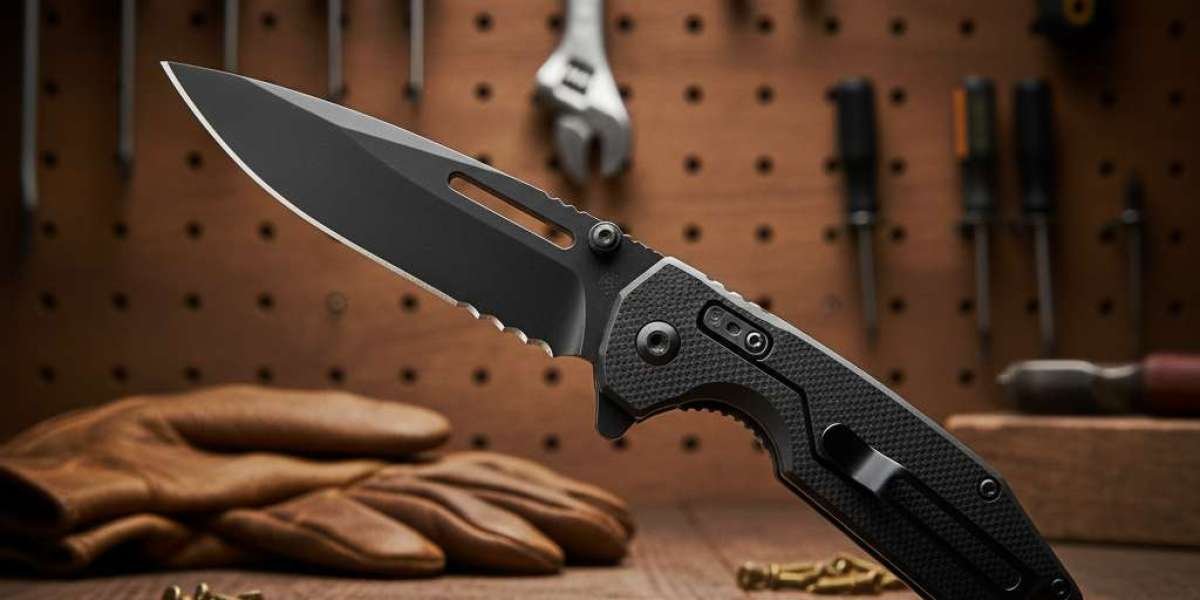
A pocket knife is a compact folding knife designed to fit easily in a pocket, backpack, or everyday carry (EDC) kit. While many people associate knives purely with self-defense, pocket knives are actually one of the most versatile tools available.
From outdoor adventures to everyday tasks, pocket knives are valued for their practicality and reliability.
You can explore different styles and models of pocket knife options that vary in size, blade design, and materials depending on your needs.
Key Features of Pocket Knives
Pocket knives come in many designs, but several common features make them practical tools.
Folding Blade Mechanism
Most pocket knives feature a folding blade that retracts into the handle. This makes them safe to carry and compact enough for daily use.
Blade Types
Different blade shapes serve different purposes:
Drop point blade – Great for general use and slicing
Clip point blade – Offers precision control
Tanto blade – Designed for durability and piercing strength
Serrated blades – Ideal for cutting rope and tougher materials
Locking Mechanism
Many modern pocket knives include locking systems that keep the blade securely in place when open.
Common locking mechanisms include:
Liner lock
Frame lock
Back lock
Button lock
These systems help prevent accidental closure during use.
Durable Materials
High-quality pocket knives are typically made from stainless steel or carbon steel blades paired with aluminum, G10, or composite handles for strength and grip.
Everyday Uses of Pocket Knives
Pocket knives are widely used because they serve multiple functions beyond self-defense.
Common uses include:
Opening boxes or packages
Cutting rope or cord
Camping and outdoor survival tasks
Food preparation during hikes
Emergency seatbelt cutting
General utility work
Because of their versatility, many people carry a pocket knife as part of their everyday carry gear.
Understanding Taser Guns
A taser gun or stun gun is a non-lethal self-defense device designed to temporarily disable an attacker by delivering an electric shock. Unlike knives, tasers focus specifically on personal protection rather than utility tasks.
Modern taser guns are compact, easy to carry, and simple to use, making them popular for individuals seeking a defensive tool without lethal force.
You can learn more about options like a taser gun designed for personal protection.
How a Taser Gun Works
Taser guns operate by delivering a high-voltage electric shock that disrupts muscle control.
The device typically works in two ways:
Direct Contact Mode
When the taser makes direct contact with a person, it delivers an electric shock that causes temporary pain and muscle disruption.
Projectile Mode (Certain Models)
Some taser devices shoot small probes connected by wires that transmit an electrical charge from a distance.
The electrical pulse causes temporary muscle immobilization, giving the user time to escape from danger.
Key Features of Taser Guns
Modern stun guns include several features designed to enhance safety and effectiveness.
Compact Size
Most taser guns are small enough to fit in a purse, pocket, or belt holster.
Rechargeable Batteries
Many models include rechargeable battery systems for convenience.
Safety Switch
A built-in safety switch prevents accidental discharge.
Built-in Flashlight
Some stun guns include LED flashlights to improve visibility in dark environments.
Loud Arc Sound
The visible electric arc can act as a psychological deterrent before physical contact occurs.
For those interested in non-lethal defense tools, a taser gun offers a powerful but temporary method of protection.
Pocket Knife vs Taser Gun: Key Differences
Although both tools are used for protection, they function very differently.
Feature | Pocket Knife | Taser Gun |
Purpose | Utility and defense | Personal defense |
Range | Close contact | Short to moderate distance |
Versatility | High | Low |
Ease of use | Requires training | Generally simple |
Legal restrictions | Varies by region | May have stricter regulations |
Understanding these differences helps determine which tool is better suited for your personal needs.
Advantages of Carrying a Pocket Knife
Pocket knives remain one of the most popular everyday tools because of their versatility.
Multi-Purpose Tool
Unlike tasers, pocket knives serve many daily functions beyond defense.
Durable and Reliable
Pocket knives do not rely on batteries or electronics, making them reliable in outdoor environments.
Compact and Portable
Modern folding knives are lightweight and easy to carry.
Useful in Emergencies
In emergency situations such as cutting a seatbelt or rope, a pocket knife can be invaluable.
For these reasons, many people choose a pocket knife as part of their everyday carry gear.
Advantages of Carrying a Taser Gun
Taser guns are specifically designed for personal protection and offer several unique benefits.
Non-Lethal Protection
A taser gun provides a method of self-defense that does not rely on lethal force.
Psychological Deterrent
The visible electric arc and loud sound can discourage attackers before physical contact occurs.
Minimal Physical Strength Required
Unlike physical defense methods, a taser gun requires less physical strength to use effectively.
Quick Response
Most stun guns activate instantly with a press of a button.
These features make a taser gun a practical option for personal safety.
When to Choose a Pocket Knife
A pocket knife may be the best option if:
You need a versatile everyday tool
You frequently camp, hike, or travel outdoors
You want a reliable tool that requires no batteries
You prefer a multi-purpose EDC item
Outdoor enthusiasts, DIY users, and survivalists often prioritize utility tools like knives.
When to Choose a Taser Gun
A taser gun may be better suited if:
Your primary goal is personal defense
You prefer a non-lethal protection tool
You want a device that can deter attackers from a distance
You need a quick and simple self-defense solution
People who commute frequently or walk alone at night often prefer tasers for their ease of use.
Safety Considerations for Self-Defense Tools
Regardless of the tool you choose, responsible use is essential.
Understand Local Laws
Self-defense laws vary depending on your country or region. Always check regulations before purchasing or carrying defensive equipment.
Practice Safe Handling
Learn how to properly handle your equipment before carrying it.
Store Tools Securely
Keep self-defense tools out of reach of children and unauthorized users.
Use Only in Genuine Self-Defense
These tools should only be used when necessary to protect yourself or others from harm.
Building an Everyday Carry (EDC) Self-Defense Setup
Many people combine multiple tools for both utility and safety.
A typical everyday carry setup might include:
Pocket knife
Flashlight
Personal alarm
Pepper spray or stun gun
First aid kit
This combination provides both practical tools and personal safety equipment.
The Future of Personal Defense Tools
Technology continues to improve everyday carry equipment and self-defense devices.
Future innovations may include:
Smarter electronic stun devices
Compact multi-tool knives
Improved ergonomic knife designs
Rechargeable self-defense tools with longer battery life
As technology advances, personal protection tools will become more efficient and easier to carry.
Conclusion
Both pocket knives and taser guns serve valuable roles in personal safety and everyday preparedness. A pocket knife stands out as a versatile tool useful for daily tasks, outdoor activities, and emergency situations. Its reliability, durability, and multi-purpose design make it a staple of many everyday carry kits.
On the other hand, a taser gun focuses specifically on non-lethal personal defense. Its ability to temporarily disable an attacker provides users with a quick opportunity to escape dangerous situations.
Ultimately, the right choice depends on your needs, lifestyle, and comfort level. Some individuals prefer the practicality of a pocket knife, while others prioritize the defensive capabilities of a taser gun. By understanding the strengths of each tool, you can make an informed decision that enhances both your safety and preparedness.
Frequently Asked Questions (FAQ)
1. Is a pocket knife legal to carry?
Pocket knife laws vary by country and region. Many places allow small folding knives, but restrictions may apply to blade length and locking mechanisms.
2. Are taser guns safe to use?
Taser guns are considered non-lethal self-defense tools designed to temporarily incapacitate attackers. However, they should only be used responsibly in self-defense situations.
3. Which is better for self-defense: a pocket knife or a taser gun?
A taser gun is generally more suitable for non-lethal self-defense, while a pocket knife is more versatile as an everyday utility tool.
4. Can beginners safely carry a pocket knife?
Yes. Many pocket knives are designed for everyday use, but users should learn proper handling and safety techniques.
5. How long does a taser gun effect last?
The electric shock from a taser typically disrupts muscle control for a short period, allowing the user time to escape and seek safety.
6. Should I carry both a pocket knife and a taser gun?
Some people carry both for different purposes—one for utility tasks and the other specifically for personal protection. Always ensure you follow local laws and safety guidelines.